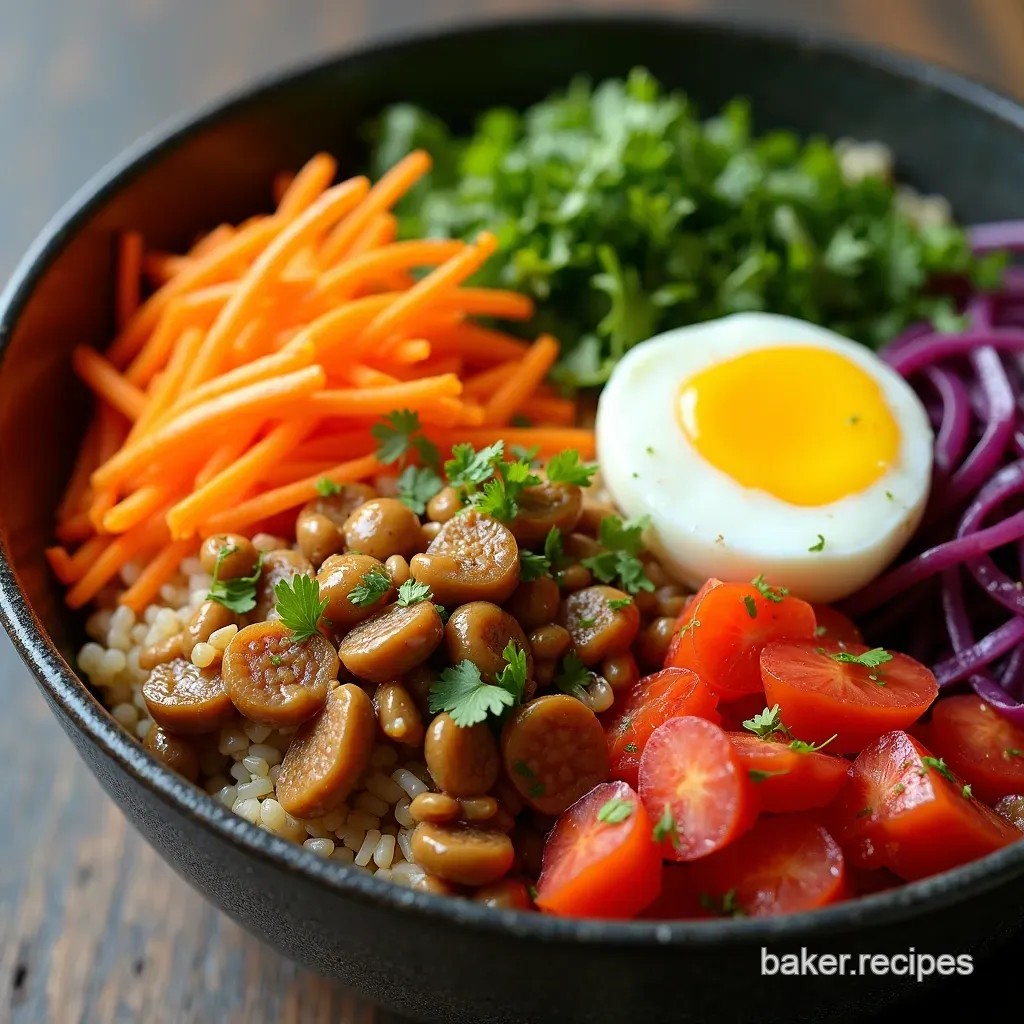
Mastering Vegetarian Bibimbap: Your Quick Guide to a Healthy Meal
Bibimbap, a cornerstone of Korean cuisine, translates literally to "mixed rice." More than just a simple dish, it's a vibrant, harmonious bowl that marries perfectly cooked rice with an array of fresh, sautéed, and seasoned vegetables, savory mushrooms, a protein of choice, and a dollop of spicy gochujang sauce. While often associated with beef or other meats, the vegetarian rendition truly shines, offering an explosion of colors, textures, and flavors that make it an incredibly satisfying and healthy meal. This isn't just a recipe; it's an invitation to explore a canvas of culinary creativity, where every ingredient contributes to a wholesome and utterly delicious experience. If you’re searching for a delightful and nutritious
vegetarian rainbow bibimbap recipe, you've come to the right place.
The Allure of Vegetarian Bibimbap: A Symphony in a Bowl
At its heart, vegetarian bibimbap is a testament to balance and nourishment. It embodies the principle of eating the rainbow, packing in a spectrum of vitamins, minerals, and fiber from diverse vegetables. This particular version transforms the traditional Korean comfort food into a plant-forward powerhouse, making it an ideal choice for anyone seeking a wholesome, meatless meal. It’s also incredibly versatile – a fantastic way to utilize leftover rice and whatever fresh produce you have lingering in your refrigerator, minimizing food waste while maximizing flavor.
The magic of bibimbap lies in its interactive nature. Once all the components are prepared, the diner mixes everything together just before eating, allowing the fiery gochujang sauce to coat every ingredient and unify the disparate elements into a cohesive, flavorful bite. Each spoonful is a new adventure, a delightful combination of crunchy, soft, chewy, spicy, and savory.
Building Your Rainbow: Essential Ingredients for a Nutritious Bowl
The beauty of a vegetarian rainbow bibimbap lies in its rich palette of ingredients. While the core components remain consistent, there's ample room for personalization.
- Perfectly Cooked Rice: The foundation of any great bibimbap. While short-grain white rice is traditionally preferred for its sticky texture, brown rice or even quinoa can be excellent, more fibrous alternatives. Using day-old, chilled rice is a pro tip – it results in grains that are less prone to clumping and perfect for stir-frying or mixing without becoming mushy.
- Vibrant Vegetables: This is where the "rainbow" truly comes to life.
- Carrots: Shredded or julienned, providing a sweet crunch and a brilliant orange hue.
- Spinach: Quickly wilted, offering an earthy softness and deep green.
- Cucumbers: Thinly sliced and lightly marinated for a refreshing, slightly tangy bite and a cool green contrast.
- Bean Sprouts: Briefly blanched to maintain their crispness, adding a delicate texture and subtle sweetness.
- Scallions: Freshly chopped for garnish, delivering a pungent bite and bright green finish.
- Beyond the basics: Consider adding julienned zucchini, bell peppers (red, yellow, orange), purple cabbage, or even kale for an even wider spectrum of nutrients and colors.
- Umami-Rich Mushrooms: Shiitake mushrooms are classic for their robust, earthy flavor and meaty texture, but button, cremini, or oyster mushrooms work equally well. Sautéing them properly is key to unlocking their deep umami.
- Protein Powerhouses:
- Eggs: A sunny-side-up egg with a runny yolk is the iconic bibimbap topping. As you mix, the yolk creates an additional creamy, rich sauce. You'll need a touch of vegetable oil for frying.
- Tofu/Tempeh: For a completely vegan version or an extra protein boost, pan-fried or baked seasoned tofu/tempeh slices are excellent.
- The Signature Gochujang Sauce: This sweet, savory, and spicy fermented chili paste is non-negotiable. It's typically mixed with a few simple ingredients to create the perfect balance:
- Gochujang Paste: The star.
- Maple Syrup (or honey/sugar): For sweetness to balance the spice.
- Sesame Oil: For a nutty aroma and flavor.
- Rice Vinegar: To add a tangy zing.
- Flavor Enhancers & Garnish:
- Sesame Oil: Used throughout the cooking process and for drizzling.
- Tamari (or Soy Sauce): For seasoning vegetables and mushrooms.
- Butter: For sautéing mushrooms, adding richness.
- Sesame Seeds: White, black, or mixed, for visual appeal and a final nutty flourish.
- Kimchi: Optional but highly recommended on the side for an extra fermented, spicy, and tangy kick.
Crafting Your Bowl: A Step-by-Step Guide with Pro Tips
Preparing vegetarian bibimbap involves several distinct steps, but most can be done concurrently, making the process more efficient than it might seem. The goal is to cook each ingredient separately to preserve its unique texture and flavor.
- Prepare the Rice: If you're not using leftover rice, cook your short-grain white rice according to package directions. Once cooked, let it steam off the heat for 10-15 minutes, then fluff it and spread it out slightly to cool. Cool rice is easier to mix and prevents a mushy final dish.
- Cook the Vegetables & Mushrooms:
- Spinach: Heat a dry skillet over low heat. Add spinach and sauté for about 1 minute until wilted. Season lightly with a splash of sesame oil and tamari. Set aside.
- Carrots: Using a julienne peeler or grater, shred the carrots. Lightly sauté in a pan with a little sesame oil over medium heat for 1-2 minutes until slightly softened but still crisp. Set aside.
- Cucumbers: Thinly slice the cucumber and marinate in a small bowl with a teaspoon of rice vinegar and a drizzle of sesame oil while you prepare other ingredients. This adds a lovely tangy, nutty profile.
- Bean Sprouts: Bring a small pot of water to a boil. Blanch the bean sprouts for just 1 minute, then drain immediately. This ensures they remain deliciously crunchy.
- Mushrooms: Slice your chosen mushrooms. Sauté them in a dry pan first over medium-high heat until they release their water and start to brown. Then, add a small knob of butter and a splash of tamari and rice vinegar, stir-frying for another 1-2 minutes until deeply flavored and tender. This two-step process develops incredible umami.
- Fry the Eggs: In a separate pan, heat a bit of vegetable oil. Fry one egg per person to your liking. A sunny-side-up egg with a runny yolk is traditional, taking about 3-4 minutes on medium heat. The runny yolk acts as a natural binder and adds richness.
- Assemble the Gochujang Sauce: In a small bowl, whisk together the gochujang paste, maple syrup, sesame oil, and rice vinegar until smooth. Adjust the sweetness and spice to your preference.
- Chop Garnish: Finely chop your scallions for a fresh, aromatic finish.
- Assemble Your Bibimbap Bowls: This is where the "rainbow" truly comes together visually. In individual serving bowls, start with a generous bed of cooked rice. Artfully arrange the prepared vegetables (spinach, carrots, cucumbers, bean sprouts), mushrooms, and the fried egg on top.
- Serve: Drizzle with the gochujang sauce and garnish with sesame seeds and fresh scallions. Serve immediately, encouraging everyone to mix their bowl thoroughly before digging in! Don't forget the optional side of kimchi.
Health Benefits and Customization: Beyond the Recipe
This
vegetarian rainbow bibimbap recipe is not just a treat for the taste buds; it's a powerhouse of nutrition. It's naturally rich in fiber from the abundance of vegetables and whole grains (if using brown rice), providing sustained energy and promoting digestive health. The varied vegetables ensure a wide intake of essential vitamins and antioxidants, while the egg (or tofu/tempeh) offers lean protein. It's a low-fat, high-nutrient meal that supports overall well-being.
The beauty of bibimbap also lies in its adaptability.
- Seasonal Swaps: Don't feel limited by the listed vegetables. Use what's in season! Asparagus, bell peppers, zucchini, or even roasted root vegetables can be fantastic additions.
- Grain Alternatives: While short-grain white rice is classic, feel free to experiment with brown rice, black rice, quinoa, or even mixed grains for different nutritional profiles and textures.
- Spice Level: Adjust the amount of gochujang in your sauce to suit your heat preference. You can also add a touch of fresh chili flakes if you like extra fire.
- Vegan Friendly: Easily make this recipe fully vegan by omitting the egg and butter, and opting for pan-fried tofu or tempeh as your protein source.
- Meal Prep Perfection: Most of the components can be prepped in advance. Cook the rice, chop and cook the individual vegetables, and make the sauce. Store them separately in airtight containers in the fridge, then simply reheat and assemble for quick and healthy meals throughout the week. This makes it an incredibly convenient option for busy individuals.
If you're looking for even more ways to
customize your perfect vegetarian rainbow bibimbap bowl, or for a deeper dive into making a truly
vibrant vegetarian bibimbap, your ultimate Korean comfort bowl, be sure to explore our other guides.
A Healthy, Flavorful Journey
Mastering vegetarian bibimbap is about embracing fresh ingredients, understanding basic Korean flavors, and enjoying the process of creating a beautiful, nutritious meal. This quick and healthy dish proves that eating well doesn't mean sacrificing flavor or excitement. It’s a versatile canvas waiting for your personal touch, promising a delicious and wholesome experience every time. So, gather your ingredients, unleash your inner chef, and prepare to delight in the vibrant world of your very own vegetarian rainbow bibimbap.