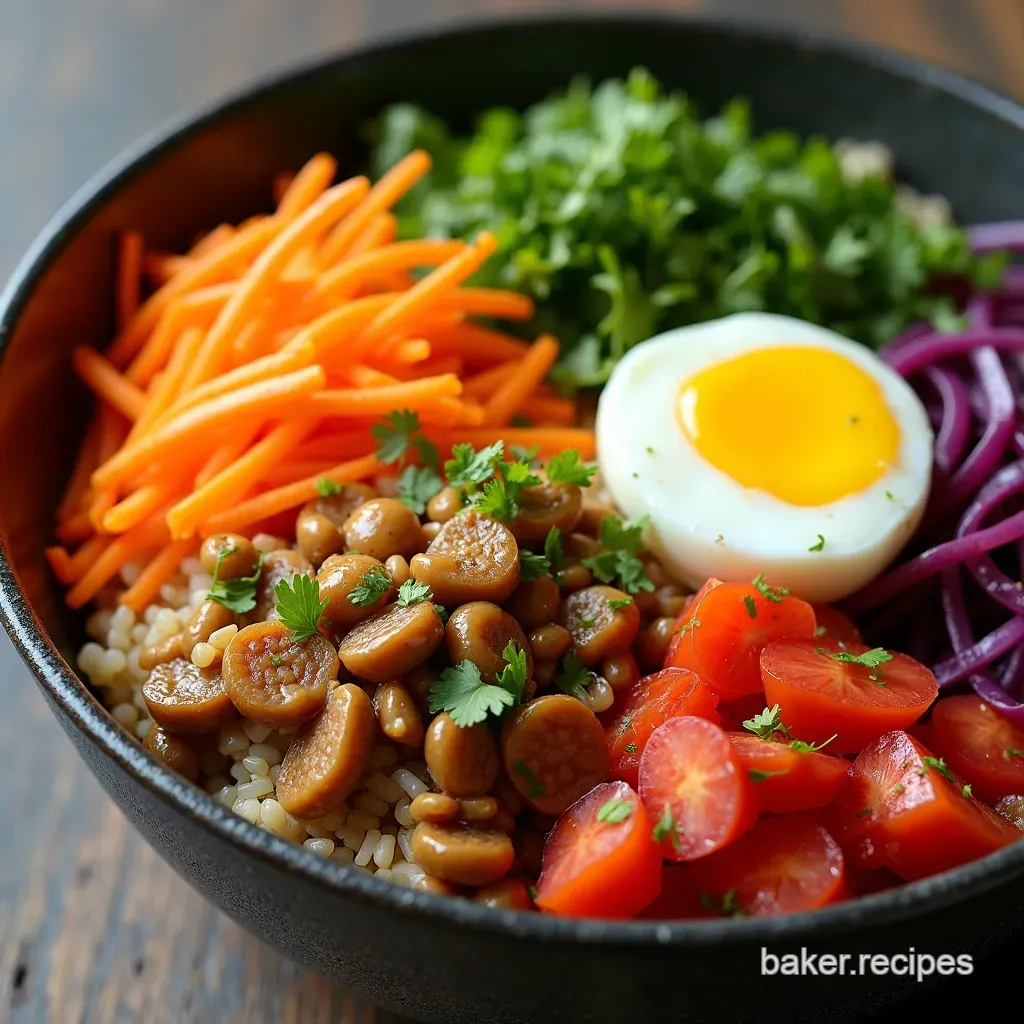
Dive into a World of Flavor: Your Easy Vegetarian Rainbow Bibimbap
Imagine a bowl brimming with vibrant colors, each hue representing a unique texture and flavor, all coming together in a harmonious dance. This is the magic of Bibimbap, a beloved Korean rice bowl dish. While traditionally featuring meat, our focus today is on an incredibly satisfying and remarkably **easy vegetarian rainbow bibimbap recipe** that not only nourishes your body but also delights your eyes. It's the perfect canvas for culinary creativity, allowing you to customize your perfect bowl every single time. Forget bland meals; this is your ticket to a healthy, flavorful, and incredibly versatile plant-based feast.
The Art of Bibimbap: Why Go Vegetarian and Rainbow?
Bibimbap literally translates to "mixed rice," and at its heart, it’s a dish about balance – a bed of warm rice topped with an assortment of sautéed and seasoned vegetables, a protein, and a drizzle of spicy gochujang sauce. The beauty of the vegetarian version lies in its inherent freshness and a lighter feel without compromising on the depth of flavor. It's an excellent way to incorporate a spectrum of nutrients into your diet, making it a truly wholesome meal.
Choosing a "rainbow" approach isn't just for aesthetics; it's a practical way to ensure you're getting a wide array of vitamins, minerals, and antioxidants. Each color of the vegetable kingdom offers different health benefits, from the beta-carotene in orange carrots to the iron in green spinach and the crunch of white bean sprouts. Plus, it makes for an incredibly appealing dish, proving that healthy food can be as beautiful as it is delicious. For more general tips on crafting this delightful dish, explore
Vibrant Vegetarian Bibimbap: Your Ultimate Korean Comfort Bowl.
Crafting Your Rainbow: Essential Ingredients & Customization Ideas
The true joy of an **easy vegetarian rainbow bibimbap recipe** is its flexibility. While we'll provide a fantastic starting point, consider these ingredients your playground for endless combinations.
*
The Foundation: Cooked Rice
Short-grain white rice is traditionally preferred for its sticky texture, which holds the ingredients together beautifully. This recipe is also a brilliant way to use up leftover cooked rice, saving you time and reducing food waste. If cooking fresh, aim for slightly al dente grains that won't become mushy when mixed.
*
The Rainbow: A Medley of Vegetables
This is where your bowl truly comes alive. The reference suggests carrots, cucumbers, spinach, bean sprouts, and scallions, which form an excellent base. Here’s how to elevate them and expand your palette:
*
Carrots (Orange): Shredded or julienned, lightly sautéed in sesame oil until tender-crisp. Adds sweetness and crunch.
*
Spinach (Green): Quickly blanched or sautéed until just wilted, then seasoned with sesame oil and tamari (or soy sauce). Packed with iron.
*
Cucumbers (Green/White): Thinly sliced and lightly marinated in rice vinegar and sesame oil for a refreshing, tangy bite.
*
Bean Sprouts (White): Briefly blanched for a delightful, crisp texture. A signature element of bibimbap.
*
Scallions (Green): Freshly chopped for garnish, adding a mild oniony zest.
* **Expansion Ideas:**
*
Red: Thinly sliced red bell peppers (raw or lightly sautéed), radishes, or even a spoonful of vibrant kimchi on the side.
*
Purple: Shredded red cabbage or thinly sliced purple onions, perhaps a quick pickle for tang.
*
Yellow: Sautéed zucchini matchsticks, yellow bell peppers.
*
Other Greens: Asparagus, broccoli florets, kale.
*
The Umami Stars: Mushrooms
Shiitake mushrooms are a classic choice for their rich, earthy umami flavor. However, feel free to use cremini (button) or oyster mushrooms. Sautéing them with a touch of butter (or oil for vegan), tamari, and rice vinegar brings out their deepest flavors.
*
The Protein Powerhouse: Eggs or Vegan Alternatives
A perfectly fried sunny-side-up egg with a runny yolk is the crowning glory for many bibimbap enthusiasts. The rich yolk, when mixed, creates a luscious sauce. For a vegan **easy vegetarian rainbow bibimbap recipe**, firm tofu is an excellent substitute. Press it to remove excess water, then marinate in soy sauce, sesame oil, and a touch of gochujang before pan-frying until crispy. Tempeh or edamame can also be fantastic additions.
*
The Heart of the Dish: Gochujang Sauce
This spicy, savory, and slightly sweet Korean chili paste is non-negotiable for authentic bibimbap flavor. Whisking it with maple syrup (or agave), sesame oil, and rice vinegar creates a balanced, irresistible dressing. Adjust the maple syrup to your sweetness preference and the gochujang to your spice tolerance.
*
Finishing Touches: Garnishes and Sides
Sesame seeds (toasted, black, or white) add a nutty crunch. Kimchi, fermented spicy cabbage, is an optional but highly recommended side dish that complements the bibimbap perfectly with its tang and spice. A drizzle of extra sesame oil before serving adds a beautiful aroma.
Step-by-Step: Mastering the Components of Your Bibimbap
Preparing your bibimbap is a dance of timing and individual ingredient care. The key is to prep each component separately to maintain its unique texture and flavor.
1.
Prepare Your Rice: If not using day-old rice, cook your short-grain rice according to package instructions. Once cooked, let it steam, covered, for a few extra minutes before fluffing. This helps it achieve the perfect texture.
2.
Blanch & Sauté Greens:
* Start with the spinach. In a dry skillet over low heat, gently sauté until it just wilts (about 1 minute). Season with a splash of sesame oil and tamari. Set aside.
* For bean sprouts, bring a small pot of water to a boil, blanch for just 1 minute, then drain and set aside. This keeps them crisp.
3.
Shred & Sauté Carrots: Using a julienne peeler or grater, shred your carrots. Lightly sauté them in a pan with a touch of sesame oil over medium heat until they soften slightly, 1-2 minutes. You want them tender-crisp, not mushy.
4.
Marinate Cucumbers: Thinly slice your cucumber. In a small bowl, toss them with a drizzle of rice vinegar and sesame oil. Let them sit while you prepare other ingredients; this allows them to absorb the tangy, nutty flavors.
5.
Sauté Mushrooms: Slice your chosen mushrooms. Heat a dry pan over medium-high heat and sauté the mushrooms until they release their water. Once the water has evaporated, add a knob of butter (or vegetable oil), a splash of tamari, and a dash of rice vinegar. Stir-fry for another 1-2 minutes until beautifully browned and savory.
6.
Fry Your Eggs (or Prepare Tofu): Heat a little vegetable oil in a non-stick skillet. Fry one egg per person, cooking for 3-4 minutes for a sunny-side-up with a runny yolk, or longer if you prefer firmer. If using tofu, pan-fry your marinated slices until golden and crispy.
7.
Whisk the Gochujang Sauce: In a small bowl, combine gochujang paste, maple syrup, sesame oil, and rice vinegar. Whisk until smooth. Taste and adjust to your preference – more maple for sweetness, more gochujang for spice, more vinegar for tang.
8.
Chop Scallions: Thinly slice your scallions; they're ready for garnishing.
For more quick tips to make your meal even healthier and more efficient, check out
Mastering Vegetarian Bibimbap: Quick Tips for a Healthy Meal.
Assemble Your Perfect Bowl & Enjoy!
Now for the grand finale – assembling your masterpiece. In individual serving bowls, artfully arrange a generous scoop of warm rice at the bottom. Around the rice, arrange each prepared vegetable in distinct sections, creating a colorful "rainbow." Place your perfectly fried egg (or crispy tofu) right in the center. Drizzle generously with your homemade gochujang sauce, sprinkle with sesame seeds and chopped scallions.
The traditional way to eat bibimbap is to thoroughly mix everything together with your spoon before digging in. This ensures every bite delivers a harmonious blend of textures, temperatures, and flavors – the crispness of the bean sprouts, the chewiness of the mushrooms, the tenderness of the spinach, and the spicy-sweet kick of the gochujang, all coating the warm rice. Serve with kimchi on the side for an extra layer of authentic Korean flavor.
This **easy vegetarian rainbow bibimbap recipe** isn't just a meal; it's an experience. It’s a testament to how simple, fresh ingredients can be transformed into something extraordinary with just a little care and creativity. So go ahead, customize your perfect bowl, and savor every colorful, flavorful spoonful!